ඩයස් ගුණරත්න උපහාර ගුණ සමරුව 2023
එක ලස්සන දවසක් එනවා
ඔක්තෝම්බර් මාසේ...
ඒ තමයි....
දාහතර වෙනිදා..
අපි ඔහු ගැන කතා කරමු...

උප්පැන්නයට අනුව ඔහු නමින් ජෝශප්ය. පෙළපත් නාමයට අනුව සම්පූර්ණ නම වජ්ජක්කාර කංකානමගේ ජෝශප් දියෙස් ගුණරත්න විය. බිරිඳ අනීෂියා බියට්රිස් ප්රනාන්දු විය. විවාහයෙන් පසු උපන් පළමු පුත්රයා රෝහිත ය. දෙවැනි පුතා අජිත්
හා බාල දියණිය ඉනෝකා වේ. මේ සටහන තැබීමේ ප්රස්තුතය ගෙඩනැගෙනුයේ එතුමාගේ වැඩිමහල් දියණිය ප්රභා ඩයස් ගුණරත්න විසින් විජය බාලදක්ෂ කඳවුර වෙත යොමුකල ආරාධනයක් හේතුවෙනි. ඩයස් ගුණරත්න මහතා 1998 ඔක්තෝබර් 24 දා අප අතරින් වියො වී 25 වසරක් ගෙවී තිබේ. මේ ඒ වෙනුවෙන් විජය බාලදක්ෂ කඳවුරත් Scouting සඟරාවේ අපි විසින් ගනු ලැබූ පුංචි උත්සාහයකි.
බාලදක්ෂයන්ගේ හඬ ගුවන් ගත කිරීමේ පුරෝගාමීයා වු මෙතුමන් ශ්රී ලංකා ගුවන් විදුලි සංස්ථාවෙන් සුමනසේකර මහතා විශ්රාම ගැනීමෙන් පසු ජෝර්ජ් වීදාගම විසින් නිෂ්පාදනය කරනු ලැබූ අතර ඩයස් ගුණරත්න මහතා එහි පූරකවරයා විය.
"බාලදක්ෂ හඬ" නමින් 1965 වසරේ සිට බාලදක්ෂ ඉතිහාසයේ පළමු වරට ගුවන් විදුලි මාධ්ය ඔස්සේ බාලදක්ෂ වැඩසටහනක් සම්පාදනය කර
ඉදිරිපත්කරනු ලැබූ අවස්ථාව මෙය විය. ඉංග්රීසි භාෂාවෙන් බොහෝ කටයුතු සිදුකෙරුණු අවදියක ඈත දුෂ්කර ගම්වල දරුවන්ට පවා බාලදක්ෂ කටයුතු හඳුන්වාදීමේ ආරම්භය ලෙස මෙම සිංහල භාෂාවෙන් සිදු කෙරුණු "බාලදක්ෂ හඬ" වැඩසටහන හඳුන්වා දිය යුතුවේ.

1965 වර්ෂයේ ආරම්භ වූ බව P.S.R.රාජමනි මහතා විසින් පස්වන බාලදක්ෂ ජම්බෝරියේ සමරු පොතට එක් කල ‘LOOKING BACK OVER THE YEARS’ ලිපියෙහි පිටු අංක 41හි සඳහන්වේ. කරුණාරත්න අබේසේකර මහතාගේ පූර්ණ මෙහෙයවීම හා සහයෝගය යටතේ R.S.L.සුමනසේකර මහතා විසින් නිෂ්පාදනය කරනු ලැබූ මෙම 'බාලදක්ෂ හඬ'
වැඩසටහන මසකට එක් වරක් පැය භාගය බැගින් විකාශනය කෙරිණ. ඒ අනුව 1967
ඔක්තෝම්බර් 1දා සිට 1968 සැප්තැම්බර් 30 දක්වා කාලය තුළ පැය භාගය බැගින් වූ
වැඩසටහන් 30ක් විකාශනය කළ බව 1968 බාලදක්ෂ මූලස්ථානය විසින් නිකුත් කළ
වාර්ෂික වාර්තාවෙහි සඳහන් වේ. කුලියාපිටිය මහා විදයාලයේ බාලදක්ෂ නායක
ගොඩ්ෆ්රි වර්ණකුලසූරිය විසින් පළමුවරට ඉදිරිපත් කල ඔපෙරා ශෛලියේ වැඩසටහන
එම වර්ෂයේ විකාශය වූ වැඩසටන් අතරින් අතරින් කැපී පෙණුන බව එම වාර්තාවෙහි
දැක්වේ. එසේම පානදුර හොරණ දිසාවේ ශ්රී පාලි මහා විද්යාලය, තක්ෂිලා මහා විද්යාලය, විද්යාරත්න මහා විද්යාලය, ශ්රී මේධංකර මහා විද්යාලය ආදී විදුහල්වල බාලදක්ෂයන්ගේත් පානදුර ශා.අන්තෝනි විද්යාලය, 65 කොළඹ, මීගමුව ශා. පීතර මහා විද්යාලය, බෝලවලාන පුහුණු විද්යාලය, කුලියාපිටිය මහා විද්යාලය සහ ජාතික මූලස්ථානයේ විශේෂ වැඩසටහන් දෙකක් ද පටිගත කිරීම් සිදුකල බව ම සඳහන් ය.
1972දී විහාරමහාදේවි උද්යානයේ පැවැත් වු කොළඹ
දියමන්ති ජුබිලි කැම්පෝරියේදී ගුණරත්න මහතා සමග හිටපු කොමසාරිස්වරයෙකු
වන නන්දා අබේනායක මහතා විසින් විශේෂ 'බාලදක්ෂ හඬ' වැඩසටහනක් ඉදිරිපත් කලේය. ජෝර්ජ් වීදාගම මහතා
විසින් SLBCහි 6වන මැදිරියට පැමිණ උපදෙස් ලබාදෙමින් එය පටිගත කල බව පැවසේ. විනෝදාත්මක සහ සාරවත් බාලදක්ෂ හඩ වැඩසටහන් සඳහා ලංකාවේ සෑම ප්රදේශයකින්ම පෝතකයන්, බාලදක්ෂයන් සහ මානවකයින් සහභාගී වූහ. බාලදක්ෂ
ගීත, විරිඳු, සී පද, යාන්හෑලි, රස කතා, බාලදක්ෂ පුවත්, කඳවුරු කතාන්දර
සදහා වෙන්ව තිබුණු මෙම ඉඩකඩ පූර්ව පටිගත කිරීමක් ලෙස සකස් විය.
විදුහල්පතිවරයෙකු
ලෙස උසස්වීම් ලැබූ මෙතුමා බුලන්කුලම මහවිද්යාලය, ශාන්ත අන්තෝනි විදයාලය,
කඩොලාන හා මොරටුව මෙතෝදිස්ත විද්යාලයෙහි ද සේවය කලේය. 1960දී සිය ලී පදක්කම් උසස් පාඨමාලාව
සම්පූර්ණ කලේ අතර අනතුරුව සහය පුහුණු නායකයෙකු හා පුහුණු නායකයෙකු ලෙස ජාතික
පුහුණු සංචිතයෙහි සේවය කළ මෙතුමා හට දෙස් විදෙස් පුහුණු පාඨමාලා සඳහා
සහභාගීවීමේ අවස්ථාව නිරන්තරයෙන්ම ලැබිණ. පල්ලියෙන් ලැබූ අභාෂය හේතුවෙන් චතුර ලෙස ඉංග්රීසි භාෂාව
හැසිරවීමටත්, ගීතිකා ලිවීමට මෙන්ම ගැයීමටත්, කථිකත්වය හා ඉදිරිපත් කිරීමේ කලා කෞෂල්යය හේතුවෙන්
ජාක්යන්තර පුහුණු කටයුතුවල දී එතුමාගේ දක්ෂතාව කැපීපෙනෙන්නට විය. පසු
කලෙක ඇල්පිටිය සාන්ත තෙරේසා විද්යාලයෙන් ගුරු වෘත්තියට පැමිණි අතර පසුව
පොතුපිටිය මහා විද්යාලය, දියලගොඩ රෝමානු කතෝලික විද්යාලය, හලාවත අඟුණවල
විද්යාලය, බිංගිරිය මහා විද්යාලය, මොරටුව විල්ලෝරාවත්ත විදයාලය, මොරටුව
කටුකුරුන්ද විද්යාලය, මග්ගොන චරිතශෝධනාගාරය ආදී ස්ථානයන්හි බාලදක්ෂ කණ්ඩායම් කීපයක්ම
ආරම්භ කිරීමෙහි පුරෝගාමියෙකු විය.
1945 සිට පළමුවන දියලගොඩ කණ්ඩායමේ බාලදක්ෂයන් 04කුගෙන් ආරම්භකර පුරා
වසර 72කට නොවැඩි ඉතිහාසයක සිට රාගම තේවත්ත බැසිලිකා පුදබිමෙහි පැවැත්වෙන
පූජා මංගල්යය සඳහා බාලදක්ෂයන් සහභාගී කරවීමේ පුරෝගාමියා වනුයේ ද මෙතුමාය. අඛණ්ඩව මේ දක්වාත් සිදු කෙරෙන මෙම ප්රජා සේවාව රදගුරුතුමන් විසින් ද අගය කර තිබේ. යහපත් සහ ආදර්ශමත් කිතුණුවෙකු වු මෙතුමා 1945 සිට 1995 දක්වා පුරා වසර 50ක්
නොකඩවා රාගම තේවත්තේ අප ස්වාමිදුවගේ ජාතික බැසිලිකා සිද්ධස්ථානයේ වාර්ෂිකව
පවත්වන රෝගීන් ආශිර්වාද ගැන්විමේ සන්ධ්යා මෙහෙයේ ප්රජාසේවයට තම
නායකත්වයෙන් දියලගොඩ බාලදක්ෂ සමුහය සහභාගී කිරීම අද්වීතිය සිද්ධියකි.
 |
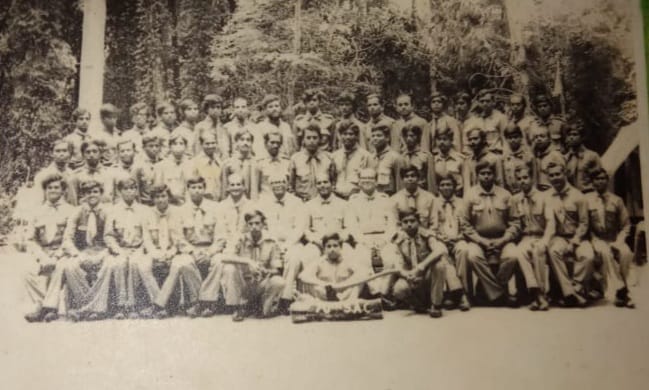
| 1972 පැවති මොරටු පිළියන්දල දිසා කඳවුර. D.C.O.T.අමරසේකර (D C), W.J.ඩයස් ගුණරත්න, ලයනල් ජේ. සිල්වා යන මහත්වරුන් කාකි නිලඇදුමින් ප්රධාන රැළියට සහභාගී වූ ආකාරය |
හුදෙක්
රැකියාවක් ලෙස නොසලකමින් ගුරු වෘත්තිය හා දැරූ සෙසු තනතුරු සියල්ල ඉතා
ආදර්ශවත් අන්දමින් මහජනතාව වෙත සේවය සැපයීම පිණිසම කටයුතු කලේය. එතුමාගේ
පරිත්යාගශීලී බව අන්සැම අතරෙහි කැපී පෙනෙන්ට විය. වචනයේ
පරිසමාප්ත අර්ථයෙන්ම පරිණත බාලදක්ෂ ආචාර්යවරයෙකු ලෙස හැඳින්විය හැකි එතුමා
විසින් පහත දක්වා ඇති බාලදක්ෂ ගිනිමැල ගීතය 1948දී නිර්මාණය කලේය. සමූහ
මට්ටමින් ගැයෙමින් තිබූ එම ගීතය පසුව කලුතර දිසාව තුළ ද වසර කීපයක් යන්නට මත්තෙන්
ලංකාව පුරා බාලදක්ෂයන් අතරට ව්යාප්ත වී ගියේ ය. වර්තමානයේදී බාලදක්ෂිකාවන්
විසින් පද කීපයක් වෙනස් කිරීමෙන් පසු ඔවුන්ගේ ද කඳවුරු ගිනිමැල ගීතයක් බවට ද
මෙය පත්කරගෙන තිබෙනු දක්නට හැකිය.
ගණදුරු බිඳ වැටී එළිවෙති
සැම දෙසේ බාලයන් - වී උතුම් දක්ෂයින්
ලෝකෙට වැඩ සදා ජය පතව්....//
අපි තමයි මේ රටේ.../// බාලයෝ..
අපි තමයි මතුවට..../// කළ යුතු...
රට පුරා පියඹමින් - රොන් උරා මල් වලින්
සදන සේ මී වදේ මී මැසුන්
අපිද හොඳ දේ කරම් - නරක දේ අත් හරිම්
අප රටේ දියුණුව අපි පතම්..
අද කුඩා පැළයකි - හෙට විසල් රුක් වෙති
සුළඟට වැස්සට බිය නැති
අද අපේ බාලයන් - හෙට රටේ වීරයන්
රට දැය සමයට හිත ඇති
ගිනි දළු නැගඑති.....
බාලයන් වැඩ කරයි - හිත ගත හැඩ ගසයි
හිරිහැර කරදර විඳ දරයි
හෙට ඇති වැඩ සැමා - බාධක බිඳ දමා
සාමයෙන් ප්රීතියෙන් ඉටු කරයි
ගිනි දළු නැගඑති.....
----------------------
පසු කාලයකදී මෙම තනුවට දමිළ කොටසක් ද එක් වූ අතර එහි තොරතුරු සොයා ගැනීමට නැතත් එම පද වැල මෙසේය.
ත්රී වුඩර් වේලලුම් සෙන්නිරම් පරවිඩුම්
කාරිරුල් මංගියේ ඔලිවරුම්
නාට්ට සයිය පාලතාම් වීරකොණ්ඩු වීරරායි
තානිලත්නින් තමතෛ එණ්ඩුම් පෝටුවෝම්
----------------------
ගිනි දළු නැගයති - රත් පැහැ විහිදෙති
ගණදුරු බිඳ වැටී එළිවෙති
සැම දෙසේ බාලයන් - වී උතුම් දක්ෂයින්
ලෝකෙට වැඩ සදා ජය පතව්....//
අපි තමයි මේ රටේ.../// බාලයෝ..
අපි තමයි මතුවට..../// කළ යුතු...
රට පුරා පියඹමින් - රොන් උරා මල් වලින්
සදන සේ මී වදේ මී මැසුන්
අපිද හොඳ දේ කරම් - නරක දේ අත් හරිම්
අප රටේ දියුණුව අපි පතම්..
අද කුඩා පැළයකි - හෙට විසල් රුක් වෙති
සුළඟට වැස්සට බිය නැති
අද අපේ බාලයන් - හෙට රටේ වීරයන්
රට දැය සමයට හිත ඇති
ගිනි දළු නැගයති.....
බාලයන් වැඩ කරයි - හිත ගත හැඩ ගසයි
හිරිහැර කරදර විඳ දරයි
හෙට ඇති වැඩ සැමා - බාධක බිඳ දමා
සාමයෙන් ප්රීතියෙන් ඉටු කරයි
ගිනි දළු නැගයති.....
----------------------
සිංහල භාෂාවෙන් ලියූ පොත පත්වල හිඟවීමට
පිළියමක් ලෙස මානවක බාලදක්ෂ සංවිධානය හා පුහුණුව පොත හා මානවක බාලදක්ෂ
ක්රියාමාර්ය යන පොත් සිංහල භාෂාවට පරිවර්තනය කළේය. සිංහල
භාෂාව පිළිබඳ එතුමා සතු හසල දක්ෂතාවය මානවක බාලදක්ෂ කටයුතු ව්යාප්ත කිරීමෙහි
ලා කැපී පෙනෙන මෙහෙවරක් සිදු කරනු ලැබීය. මානවක බාලදක්ෂ සංවිධානය හා පුහුණුව (Rover Scout Organization and
Training) මානවක බාලදක්ෂ ක්රියා මාර්ගය (The Rover Plan) වැනි කෘතින්
සුවිශේෂි වන අතර එමගින් මානවක බාලදක්ෂ කටයුතු කෙරෙහි මෙතුමන්ගේ තිබු
උනන්දුව සහ දැණුමද මනාව විද්යමාන විය.
බාලදක්ෂ මූලස්ථාන කොමසාරිස්වරයෙකු ලෙස මෙන්ම ජාතික පුහුණු කිරීමේ නායකයෙනු ලෙසද කටයුතු කළ ඩබ්.ජේ.ඩයස් ගුණරත්න මහතා බාලදක්ෂ එළිමහන් සංදර්ශන වේදිකාවෙහි ස්කවුටොරාමා
(SCOUTORAMA) වැඩ සටහන සඳහා කැපීපෙනෙන වෙනස්කම් රැසක් එක්කරනු ලැබූ බව
බාලදක්ෂ ඉතිහාසයෙහි සඳහන් වේ.
හෙළ
භාෂාව පිළිබඳව විශිෂ්ඨ දැනුමක් සහ භාෂාව හැසිරවිමේ හැකියාවක් මෙතුමන්
සතුවු අතර ඉංග්රීසි භාෂාව නිසි පරිදි පිරිසිදුව භාවිතා කල විද්වතෙකි.
ඉංග්රීසියෙන් මුද්රිත පොත පත සිංහල භාෂාවට පරිවර්තනය කිරීමෙහිලා පුරෝගාමී
මෙහෙවරක් කරනු ලැබූ අතර බොහෝ බාලදක්ෂ ව්යාපාරයටම අවේනික නව පාරිභාෂිත වචන
නිර්මාණය කිරීමද මෙතුමා අතින් සිදුවිය. බාලදක්ෂ පත පොත මුදුණය සඳහා අධික
වැයක් දැරීමට සිදුවීම හේතුවෙන් බාලදක්ෂ දැනුම
ඉතාමත් විරළවු යුගයක ඉංග්රීසි බසින් භාවිතයට ගැනුණු පොත් බොහෝමයක් ඔහු
අතින් සිංහල භාෂාවට පරිවර්ථනය විය.
ජනප්රිය ධාරාවේ පුවත් පත් සඳහා තීරු ලිපි ලිවීමට අමතරව ශ්රී
ලංකා බාලදක්ෂයා පුවත් පතෙහි සංස්කාරකවරයෙකු ලෙස සේවය කළ මෙතුමා (දයාගුණේ) ලිපි රැසක් පලකලේය. එවකට ජනප්රියව පැවති රොනියෝ කිරීමත්
ඩුප්ලෝ මාධ්ය ඔස්සේ මුද්රණ කටයුතු සිදුකිරීම හැරෙන්නට ඕෆ්සෙට්
මුද්රණකටයුතු සඳහා සම්පත් දායකයින් සොයා ගැනීම අතිශය අසීරු වූ යුගයක ශ්රී
ලංකා බාලදක්ෂයා පුවත් පත මුද්රණය සඳහා මෙතුමා වෙහෙසී කටයුතු කලේය.
1985දී අනුරාධපුරයේ පැවති තෙවන ජාතික ජම්බෝරියට වැඩි දායකත්වයක් 1992 දී කුරුණෑගලදී පැවති සිව්වන ජාතික ජම්බෝරිය හා 1998දී මහනුවරදී පැවැති පස්වන ජාතික ජම්බෝරියත් දායක වීමට එතුමාට හැකිවිය. ලකිසුරු
විලියම් ගොපල්ලව ශ්රීමතාණන් අතින් 1965දී දීර්ඝ සේවා පදක්කමින් ද පසුව
විශ්ෂ්ඨ සේවා සහතිකය හා පදක්කම ද දිනා ගත් මෙතුමා 1986දී බාලදක්ෂ
ව්යාපාරයට සිදුකළ සේවාව අගයමින් Bar To the Medal of Merit සම්මානය අතිගරු
ජනාධිපති ජේ.ආර්.ජයවර්ධන උතුමාණන් අතින් දිනාගනු ලැබීය.
මෙම වකවානුවෙහි පැවති ජාතික ජම්බෝරි මෙන්ම බාලදක්ෂ කඳවුරු පුරා ඇසුණු ශබ්ද විකාශන හඬෙහි ඩයස් ගුණරත්නටන්ගේ පැහැදිලි මිහිරි වාග් විලාශය කිසිවෙකුටත් අමතක නොවේ. ලංකාව
පුරා සිටි පෝතකයින් බාලදක්ෂයන් නායකයින් රටට හදුන්වාදෙමින් විකාශනය කොට පවත්වාගෙන
යනු ලැබූ මෙම වැඩ සටහනෙහි ආලෝකය ලැබූ බොහෝ දක්ෂ දරුවන් වර්තමානයෙහි ද
බාලදක්ෂ ව්යාපාරයෙහි සේවය කරනු දැකිය හැකිය. වසර
38ක් පුරා සදා අමරණීය සේවයක් සැලසූ එතුමා 1998 ඔක්තෝබර් 24 දා අප අතරින්
සදහටම වියෝ විය. එතුමාගේ වියෝව ජාතික බාලදක්ෂ මූලස්ථානයට ද දරාගත නොහැකි
පාඩුවක් විය.
අවසන් කාලය බෙහෙවින්ම සෝචනීය අවධියක් වූයේය. බොහෝ බාලදක්ෂ පුරෝගාමීන්ට මෙන්ම එතුමන් ද කලකිරීම් සහිතව බාලදක්ෂ ව්යාපාරයට සමුදෙනු ලැබීය. එතුමන්ගේ අවසන් කැමැති පත්රය එයට නිහඩ සාක්ෂියකි. ඇනුම් බැණුම් නෝක්කාඩු අභියස නිර්ලෝභී අමිල සේවයක් සිදුකල මෙහෙවර අද දක්වාම ප්රමාණවත් ඇගයීමට ලක් නොවීම අතිශය කණගාටු කරුණකි. කෙසේ වෙතත් අදවන විටත් එතුමක් සිදුකල සේවය පෙළගැස්වීමට තරම් ප්රමාණවත් කරුණු රැසක් ඉතිරිව තිබීම සතුට ගෙන දෙන්නකි. ඒ තොරතුරු අතර මේ දක්වාත් ශ්රී ලංකා බාලදක්ෂ ඉතිහාසයෙහි නොලියැවුණු කරුණු රැසක් හමු වූ අතර හැකි අවස්ථාවකදී තොරතුරු යාවත් කාලීන කිරීමට අප උපරිමයෙන් උත්සාහ ගන්නෙමු. සුබ දඩයම්.
----------------------
දයා ගුණරත්නයන් වෙනුවෙන් ලියැවුණු - බාලදක්ෂ ආදරණිය මතක
පුහුණු කිරීමේ නායක හා හිටපු මූලස්ථාන බාලදක්ෂ කොමසාරිස් ඩබ්.ජේ. ඩයස් ගුණරත්න මහත්මා හරිම ආදරණිය චරිතයක්, එතුමා
සිහිකර සටහනක් තැබීම හා උපහාර ගුණ සමුරු වැඩසටහනක් සංවිධානය කිරීමේ වැදගත්
කාර්යයකට අත පොවා ඇති චමින්ද වාරියප්පෙරුම මහත්මාට අපගේ ගෞරවණීය ප්රනාමය පිරිනැමිය යුතුව ඇත. ඩයස් ගුණරත්න මහත්මා ශ්රී ලංකාව තුළ බාලදක්ෂ කටයුතු ප්රවර්ධනය කිරීම උදෙසා ඉටු කළ සුවිශේෂී මෙහෙවර වෙසෙසින් පැසසිය යුතුය. ශ්රී ලංකා බාලදක්ෂ සාහිත්ය
පෝෂණය කිරීමට එතුමා දැක්වු අගනා මෙහෙවරද අගනේය.මානවක බාලදක්ෂ කටයුතු
පිළිබඳවද නිවැරැදිව මග පෙන්වීමට සමත් විශිෂ්ට නායකයෙක් විය. තනතුරු තාන්න
මාන්න පිළිබඳව කිසිදු තැකීමකින් තොරව බාලදක්ෂ කටයුතු නිවැරැදිව ප්රවර්ධනය කිරීමෙහි ලා අතිශයින්ම කැප වූ ආදර්ශමත් පරමාදර්ශී චරිතයකි. ශ්රෙෂ්ඨ
පුහුණු කිරීමේ නායකයකි. එතුමා පිළිබඳව ලිවීමට ඇති දේ බොහෝය. මා එතුමා සමග
හැත්තෑව දශකයේ සිට බොහෝ බාලදක්ෂ කටයුතුවල නිරත වීමට අවකාශ ලැබුනෙමි. අපි එතුමාට අජරාමර නිවන්සුව ප්රාර්ථනා කරමු.
හිටපු ජාතික පුහුණු කිරීමේ කොමසාරිස්
----------------------
Thank you Chaminda for remembering about him. Yes, he was a great Scout full of fun and laughter but with a definite mind of his own. He was a pious Christian, but was totally against the old song “ three blind mice” as he was against hurting animals and after his sarcastic criticism they stopped singing it at wood badge courses.
Former NHQ Commissioner
------------------------
මම ජීවිතේ පළමු වරට ගුවන් විදුලි සංස්ථාවෙ මැදිරියක පටිගත කිරීමකට සහභාගී වුණේ මෙතුමාගෙ අනුග්රහයෙන්...
හැත්තෑව දශකයෙ අග භාගෙදි..මාසිකව
ගුවන්විදුලියෙ සිංහල පළවෙනි සේවයෙන්
බ්රහස්පතින්ද හවස හතරට ප්රචාරය වුණු
බාලදක්ෂ හඬ වැඩසටහනෙන්...
ඒ කාලෙ බාලදක්ෂ හඬ සහ බාලදක්ෂිකා හඬ මාසිකව ප්රචාරය කළා...බාලදක්ෂ හඬ සංවිධායක ලෙස කටයුතු කළේ ඩයස් ගුණරත්න සර්.. නිෂ්පාදනය කළේ හේමන්තා තිලකසිරි මහත්මිය. මුලින්ම මම සහභාගී වුණේ ගාලුදිස්ත්රික් වැඩසටහනට... අපේ ආරියපාල සර් ඇතුළු නායක නායිකාවන් පිරිසක් සහ බාලදක්ෂයන් කීපදෙනෙක් එදා පටිගත කිරීමට සහභාගිවුණා... පිටපත ලිවුවෙ මම..
"සංවර්ධනයට බාලදක්ෂ සහාය" යනුවෙන් ඒකට නම තිවුවෙ ඩයස් සර්.. ඒ වැඩසටහනට
මම
ලියපු විරිදුවකුත් බාලදක්ෂයෙක් එක්ක ගායනා කළා...
එදා සිට බාලදක්ෂහඬ
වැඩසටහන නතරකරන තුරුම මම එතුමා සමග නිතරම ගුවන්විදුලි වැඩසටහනට
සහභාගිවුණා.. මම ගාල්ලෙ ඉඳල උදේ ඇවිත් මොරටුවෙ උස්වත්ත පටුමගේ "ශ්රී කාන්තා "
(
එතුමාගෙ ) නිවසට ගොස් වැඩසටහන සාකච්ඡා කරල සර්ලගෙ ගෙදරින්ම දිවාආහාරය
අරගෙන හවස ගුවන්විදුලි සංස්ථාවෙ පටිගතකිරීමට යනව. සමහර දාට සහායට සර්ගෙ
දුවත් පුතාලත් එක්ක යනව.යනකොට නිෂ්පාදිකාව නියමිත ගීත තැටි සොයල නොතිබුණොත් සර්ට ටිකක් තරහත් යනව. කොහොම වුණත්
වැඩසටහන උපරිමයෙන් සාර්ථකව කෙරෙනව. සමහර දාට බාලදක්ෂිකා වැඩසටහන නැති වුණොත් ඒ වෙනුවටත් අපේ වැඩසටහන නැවත ප්රචාරය කරනව. රූපවාහිනී නොතිබුණ ඒකාලෙ බාලදක්ෂ
පණිවිඩය පොදු ජනතාව වෙත ගෙන ගිය යුග පුරුෂයා අපේ ඩයස් ගුණරත්න සර්. එතුමා කථනය, ගායනය වගේම රචනයටත් අති දක්ශයෙක්...
අපි සම්ප්රධායිකව කඳවුරු ගිනිමැලයෙ ආරම්භක
ගීතය ලෙස ගයන " ගිනි දළූ නැග යතී...."
ගීතයත් එතුමාගෙ රචනයක්. බාලදක්ෂ ජැම්බරි වල "ස්කවුටෝරාමා , ස්කිලෝරාමා
වැඩසටහන් කරන්නත් අපිට ඒ කාලෙ හිටිය නායකයින් අතලොස්ස අතරෙ එතුමා මුල් පෙලේ වැජබුණා. එතුමා ආචාර්ය මණ්ඩලයේ හිටපු ලීපදක්කම් පාඨමාලා දෙකක්ම හදාරල පසුව ජාතික පුහුණුකිරීමේ මණ්ඩලයට එක්වෙලා එතුමා සමග ලීපදක්කම් පාඨමාලා රැසකම ආචාර්ය මණ්ඩලයේ සේවය කරන්නත් අපි භාග්යවන්තවුණා. දැන් එතුමා ආගමානුකූලව ස්වර්ගරාජ්යයේ වැජබෙනවා ඇති. දූ පුතුන් ද ආදරයෙන් සිහිපත් කරමින් සටහන නිමකරමි. ස්තුතියි !
ජාතික පුහුණු කිරීමේ මණ්ඩලය
----------------------------------
හපනා කවිද ?
(බාලදක්ෂ කඳවුරක දස්කම් දක්වන
සතර දෙනෙකු පිළිබඳ රසබර කතා
පුවතකි මේ . පොරෝවංස , යෂ්ටිපාල , කඹසේකර හා නළාරත්නයි ඒ . මෙය ගාල්ලේ දිස්ත්රික් බාලදක්ෂ නායක හා සහාය පුහුණුකිරීමේනායක ආනන්ද අල්විස් මහතාගේ රචනයකි , ගායනයකි.
( මෙම විරිදු පෙළ අසූව දශකයේ බාලදක්ෂ හඬ ගුවන් විදුලි වැඩසට-
හනකින් ප්රචාරය විය)
කූඩාරම් ඉදිවෙනවා
මුළු පෙදෙසම පිබිදෙනවා
බාලදක්ෂයින් පිරිසක්
කඳවුරකට සැරසෙනවා
විසල් කුළුණු ගොඩනගතී
ලීදඬු පාලම් හදතී
මිතුරන් සිව්දෙනෙකු තවත්
මේ අය හා වැඩ කරතී
පොරෝවංස , යෂ්ටිපාල , කඹ-
සේකර , සැමට බාල නළාරත්න
යන සිව්දෙන දිස්වේ
වැඩ කරන ලීල
දර පලන්නෙ , ලී කපන්නෙ ,
හැම දේටම පෙරට එන්නෙ
පොරෝවංස කිසිම දේක
අමාරුවක් නැහැ බලන්නෙ
ලොකු ලී කණු ඇද දෙන්නේ
මැලිබව නෑ හඳුනන්නේ
කඹසේකරගෙන් කොතනත්
ලොකු මෙහෙයකි ඉටු වන්නේ
සිහින් වුවත් දිගට දිගේ
හොඳ හයිකාරයෙකු වගේ
යෂ්ටිපාල හැම තැනදිම
වෙහෙසෙන හැටි හරිම අගේ
ගීත ගයන්නට සූරයි
ලෙහෙසි පහසු වැඩ තෝරයි
නළාරත්න පුංචි එකා
හරිම දඟයි කටකාරයි
බඳ පටියක එල්ලෙනවා
හැම තැනකම ඇවිදිනවා
නිතර අනෙක් අය සමගින්
වාදයටම පැටලෙනවා
නළාරත්නගේ වැඩ ගැන
ඉවසීමක් නැතිවුණ තැන
ඔහුට විහිළුවක් කරන්න
සිතා ගත්හ ඉතිරි තිදෙන
එක්වී අපි හතරදෙනා
කළහැකි දේ ගෙන හඳුනා
කව්ද කියා බලමු හොඳයි
මෙතන ඉන්න ලොකු හපනා
පොරෝවංස උඩ පනිමින්
ඇත ලී කොටයක් පලමින්
කඹසේකර සවි පෙන්වයි
මහ කණුවක් ඇද ගනිමින්
තව මිතුරෙකු හා එක්වී
රැලි බිම කොඩි කණුවක් වී
සැරසෙයි දැන් යෂ්ටිපාල
වැජඹෙන්නට හපනෙක් වී
පැරදුම පිළිගන්න තමා
වෙන්නේ තව වුවොත් පමා
දිගට හඬක් නැගී තදින්
නළාරත්න නුවණ යොමා
කිසිදු අයෙක් හඬ නොනගති
සිටි තැන සීරුවෙන් සිටිති
නළා හඬක් යළි එන බව
බාලදක්ෂ පිරිස දනිති
පොරෝවංස අත හැරිලා
කඹසේකර දිග ඇදිලා
යෂ්ටිපාල සිට ගන්නට
නොහැකිව ඇත බිම වැටිලා
කඩින් කඩව එකම ලෙසට
දෙවෙනි වරට නැගුනු හඬට
දිව ආවෝ බාලදක්ෂ පිරිස
පුංචි හපන ළඟට
( රචකය හා ගායනය - ආනන්ද අල්විස් )
(බාලදක්ෂ කඳවුරක දස්කම් දක්වන
සතර දෙනෙකු පිළිබඳ රසබර කතා
පුවතකි මේ . පොරෝවංස , යෂ්ටිපාල , කඹසේකර හා නළාරත්නයි ඒ . මෙය ගාල්ලේ දිස්ත්රික් බාලදක්ෂ නායක හා සහාය පුහුණුකිරීමේනායක ආනන්ද අල්විස් මහතාගේ රචනයකි , ගායනයකි.
( මෙම විරිදු පෙළ අසූව දශකයේ බාලදක්ෂ හඬ ගුවන් විදුලි වැඩසට-
හනකින් ප්රචාරය විය)
කූඩාරම් ඉදිවෙනවා
මුළු පෙදෙසම පිබිදෙනවා
බාලදක්ෂයින් පිරිසක්
කඳවුරකට සැරසෙනවා
විසල් කුළුණු ගොඩනගතී
ලීදඬු පාලම් හදතී
මිතුරන් සිව්දෙනෙකු තවත්
මේ අය හා වැඩ කරතී
පොරෝවංස , යෂ්ටිපාල , කඹ-
සේකර , සැමට බාල නළාරත්න
යන සිව්දෙන දිස්වේ
වැඩ කරන ලීල
දර පලන්නෙ , ලී කපන්නෙ ,
හැම දේටම පෙරට එන්නෙ
පොරෝවංස කිසිම දේක
අමාරුවක් නැහැ බලන්නෙ
ලොකු ලී කණු ඇද දෙන්නේ
මැලිබව නෑ හඳුනන්නේ
කඹසේකරගෙන් කොතනත්
ලොකු මෙහෙයකි ඉටු වන්නේ
සිහින් වුවත් දිගට දිගේ
හොඳ හයිකාරයෙකු වගේ
යෂ්ටිපාල හැම තැනදිම
වෙහෙසෙන හැටි හරිම අගේ
ගීත ගයන්නට සූරයි
ලෙහෙසි පහසු වැඩ තෝරයි
නළාරත්න පුංචි එකා
හරිම දඟයි කටකාරයි
බඳ පටියක එල්ලෙනවා
හැම තැනකම ඇවිදිනවා
නිතර අනෙක් අය සමගින්
වාදයටම පැටලෙනවා
නළාරත්නගේ වැඩ ගැන
ඉවසීමක් නැතිවුණ තැන
ඔහුට විහිළුවක් කරන්න
සිතා ගත්හ ඉතිරි තිදෙන
එක්වී අපි හතරදෙනා
කළහැකි දේ ගෙන හඳුනා
කව්ද කියා බලමු හොඳයි
මෙතන ඉන්න ලොකු හපනා
පොරෝවංස උඩ පනිමින්
ඇත ලී කොටයක් පලමින්
කඹසේකර සවි පෙන්වයි
මහ කණුවක් ඇද ගනිමින්
තව මිතුරෙකු හා එක්වී
රැලි බිම කොඩි කණුවක් වී
සැරසෙයි දැන් යෂ්ටිපාල
වැජඹෙන්නට හපනෙක් වී
පැරදුම පිළිගන්න තමා
වෙන්නේ තව වුවොත් පමා
දිගට හඬක් නැගී තදින්
නළාරත්න නුවණ යොමා
කිසිදු අයෙක් හඬ නොනගති
සිටි තැන සීරුවෙන් සිටිති
නළා හඬක් යළි එන බව
බාලදක්ෂ පිරිස දනිති
පොරෝවංස අත හැරිලා
කඹසේකර දිග ඇදිලා
යෂ්ටිපාල සිට ගන්නට
නොහැකිව ඇත බිම වැටිලා
කඩින් කඩව එකම ලෙසට
දෙවෙනි වරට නැගුනු හඬට
දිව ආවෝ බාලදක්ෂ පිරිස
පුංචි හපන ළඟට
( රචකය හා ගායනය - ආනන්ද අල්විස් )

කීර්තිමත්
පුහුණුකිරීමේ නායක ඩයස් ගුණරත්න මැතිතුමා නවක තරුණ නායකයින් ඉදිරියට ගෙන
ආවා.. ඔවුන්ගේ හැකියාවන් උසස් නිළධාරීන්ගේ අවධානයට යොමුකළා ... ඩයස් ගුණරත්න මැතිතුමා ඇතුළු එදා බාලදක්ෂ සේවයෙ වැජඹුණු දැවැන්තයො සමග
උසස් පාඨමාලා ඇතුළු ජාතික මට්ටමේ පාඨමාලා රැසක ආචාර්ය මණ්ඩල සේවය කරන්නත්
අල්ලගෙන නැගිටින වයසෙ පුහුණුකිරීමේ නායකයින් ලෙස හිටි අපිටත් එතුමන්ලා අත
දුන්නා.
----------------------------------
Nishani Jayatunga

Thank you Ananda Alwis A beautiful write up on this well respected Dias Guneratne sir.
I
was fortunate to be associated with him only once when he visited one
of the Leader Training Courses and melodiously rendered the song "
Uthuru Nagehira Batahira"
former District Commissioner of Colombo
----------------------------------
ඩයස් ගුණරත්න මැතිතුමා "ගිනි දලු නැගයති" යන ගීතය නිර්මාණය කර ඇත්තේ ද මෙතුමා ය. මෙතුමා හට විවිධ දක්ෂ තා ගොන්නක් ඇත. ශි ලංකාවේ බාලදක්ෂ ව්යාපාරය වෙනුවෙන් ඉමහත් සේවා රැසක් මෙතුමා අතින් සිදුවී ඇත.
----------------------------------

1981 සිට මෙතුමා වියෝ වන තුරු ම, මා ලඟින් ඇසුරු කළ දයාගුණේ නම් වූ මෙතුමා “ශ්රී ලංකා බාලදක්ෂ හඬ” ලක්දිව පළමු ගුවන් විදුලි වැඩ සටහන හා “ශ්රී
ලංකා බාලදක්ෂයා “නිල පුවත් පතේ පළමු සංස්කාරක හා ගරු කතුතුමා ද විය ෴ මා
1982 මැයි 30 දා ජීවිතයේ පළමු වරට ගුවන් විදුලි සංස්ථාවේ ස්වදේශ සේවයේ
මැදිරියකට රැගෙන ගියේ ද මෙතුමා ය. ඒ මගේ පළමු බාලදක්ෂ / බීපීතුමාගේ මුද්දරය
ගැන විනාඩි 20 ක සාකච්ඡාව පටිගත කිරීමට යි ෴
----------------------------------
ඉහත තොරතුරු අපවෙත එවීම සම්බන්ධයෙන් විශේෂ ස්තූතිය
Bede Perera, Dharmalal Gunawardena, Shiraz Salih, Ananda Alwis, Rohan Wirasekara, Sarath Godakandarachchi, Riza Azoor, Renuka Silva,
Bede Perera, Dharmalal Gunawardena, Shiraz Salih, Ananda Alwis, Rohan Wirasekara, Sarath Godakandarachchi, Riza Azoor, Renuka Silva,
----------------------
ඩයස්
ගුණරත්න මහතාගේ බාලදක්ෂ කටයුතු සම්බන්දයෙන් අන්තර්ජාලයේ කිසිදු තොරතුරක්
සොයාගැනීමට නොමැතිවීම කණගාටු දායක කරුණකි. අනෙකුත් තොරතුරු මෙන්ම මේ ආකාරයෙන්ම අන්තර්ජාලය තුළ ඔබේ නමින් ම
බාලදක්ෂ ඉතිහාස තොරතුරු ලියා තැබීමට කැමති නම්
අපට එකතු වන්න.
------------------------
පසු සටහන
බාලදක්ෂ ඔබේ අවධානයට!
Remarkable Scouts යටතේ අපගේ බ්ලොග් පිටුවෙහි දැනට දෙස් විදෙස්හි සුපතල
බාලදක්ෂයන් ගැන බෙහෝ තොරතුරු ඇතුලත් කර ඇත. මෙතෙක් කිසිවෙකුගේ අවධානයට ලක්
නොවූ බෙහෝ ජනප්රිය බාලදක්ෂ බාලදක්ෂිකාවන් එහි ඇතුලත් වේ. ඉතා අසීරුවෙන්
scouting සඟරාවේ අප විසින් සිදුකරන හා මෙතෙක් වගා කර ඇති බෙහෝ තොරතුරු
අන්තර්ජාලය පිරික්සීමේන් දැකගත හැකිය. බාලදක්ෂ ආශ්රිත ඕනෑම සිංහල යෙදුමකට
හෝ Scouting sri lanka යන්න සෙව්ම් යන්ත්රයක යෙදූවිට එක් රැස්වන තොරතුරු
වලින් 75% තොරතුරු අපවිසින් යාවත් කාලීන කළ තොරතුරු බව ඔබත් නොදන්නා බව
සිතමු. හැකිනම් අපේ උත්සාහයට දිරිදීම සදහා ඔබ දන්නා හදුනන දිරිය
බාලදක්ෂයන්ගේ තොරතුරු අපට යොමු කරන්න.scoutingmagazine@gmail.com
----------- මින් පෙර පළකරනු ලැබූ ලිපිය
දියලගොඩ දයාහඬ - http://baladakshaya.blogspot.com/2017/09/blog-post_4.html
ඩයස් ගුණරත්න නැමති බාලදක්ෂයා - http://baladakshaya.blogspot.com/2017/09/blog-post_4.html
ඩයස් ගුණරත්න නැමති බාලදක්ෂයා - http://baladakshaya.blogspot.com/2017/09/blog-post_4.html
ඩයස් ගුණරත්න 25වැනි උපහාර ගුණ සමරුව 2023 - http://baladakshaya.blogspot.com/2023/09/25-2023.html


